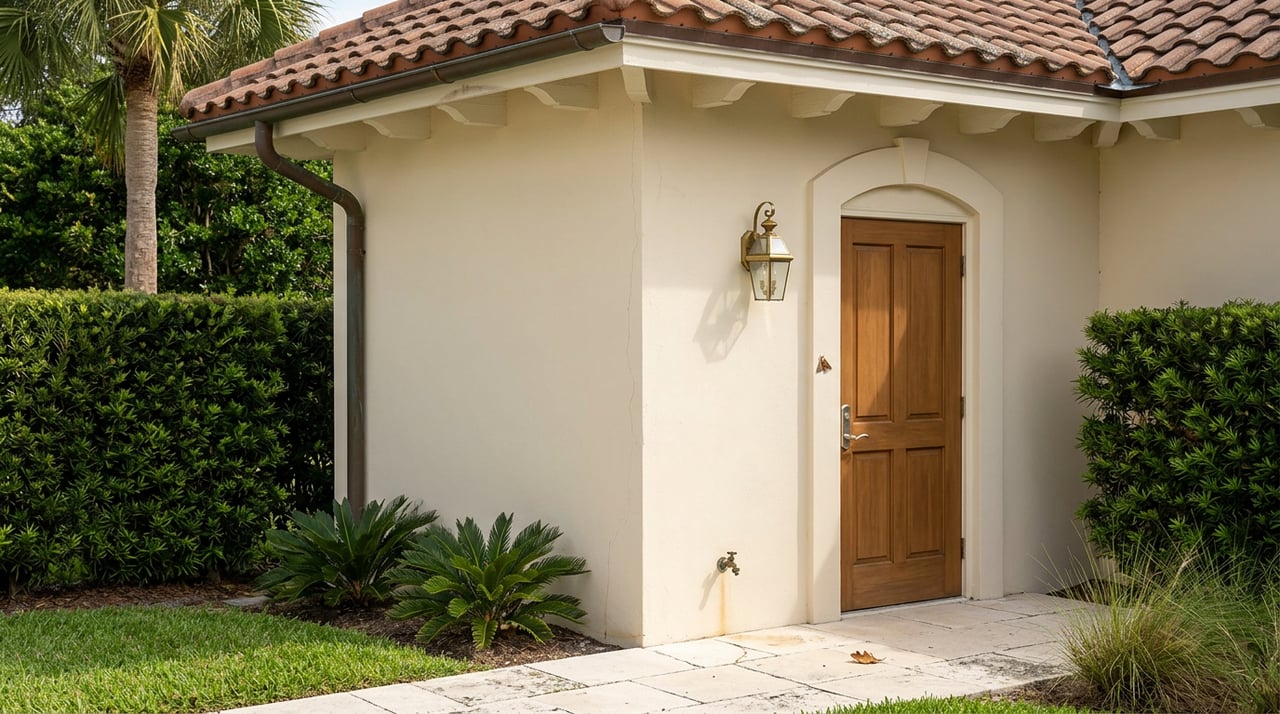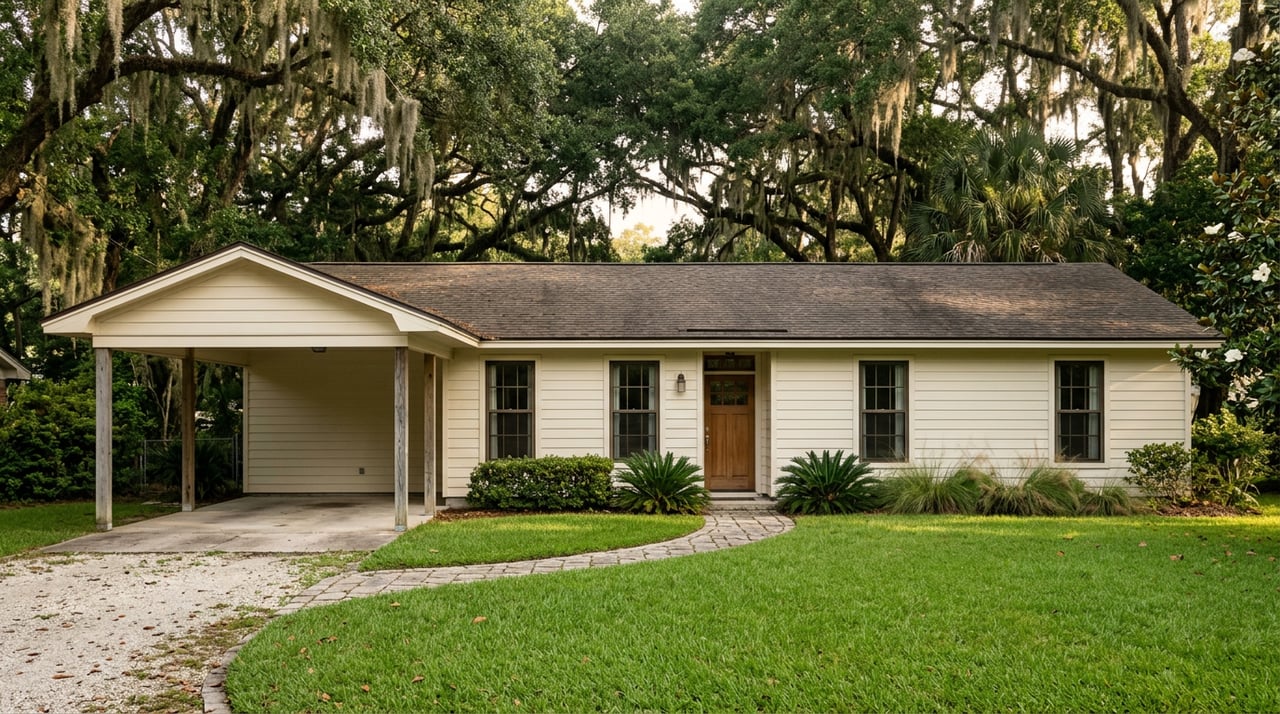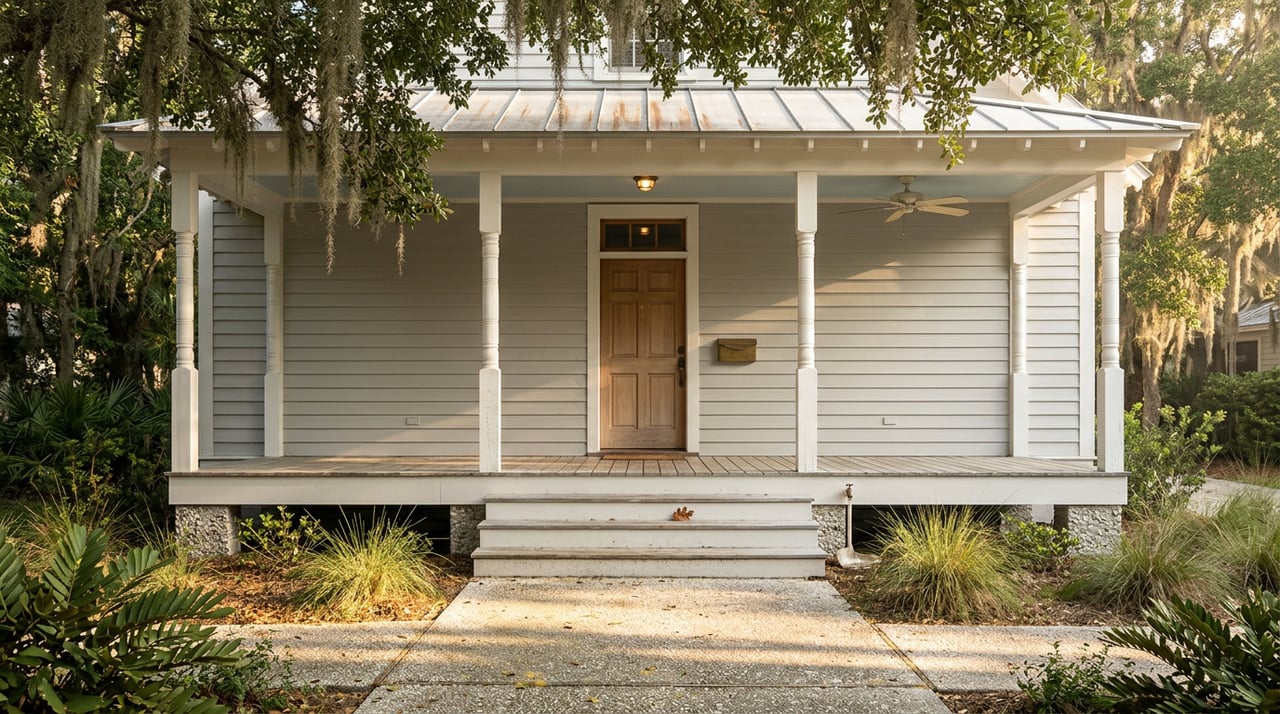
Two homes list for $349,000 in Crystal River this month. One sits three blocks off Kings Bay in a canal community, elevated, in FEMA Zone AE. The other sits inland near the U.S. 19 corridor in Zone X, on a slab, with a paid-off mortgage from a prior owner. On paper they are the same house. In practice, the annual cost of owning one can run five figures above the other, and the gap has grown wider in the last twenty-four months than in the entire decade before it. That is the number your search filter cannot show you.
For buyers comparing Crystal River to Homosassa, Inverness, or the inland side of Lecanto, the median list price has quietly stopped doing the job it used to. As of June 2026, Crystal River's median list sat at roughly $349,000, down about 4% year over year, with homes averaging 95 days on market. Inside the 34461 zip, January 2026 closed sales came in near $352,000, down 3.2% year over year, with days on market compressing to 63. Both numbers describe the same city. Neither tells you what the house will cost you to hold.
The Waterfront Wedge Is Now a Line Item, Not a Rounding Error
The mechanism is flood insurance, and the pricing regime changed underneath the market while headlines were focused on interest rates. FEMA's Risk Rating 2.0 rebuilt NFIP pricing around each individual property's risk rather than broad zone-and-elevation buckets. For a primary residence, annual premium increases are capped at 18% until the full risk-based rate is reached. For a non-primary residence or a business property, the cap is 25% per year. If you are buying a Crystal River canal home that was underpriced on flood risk for a decade, you are buying into the back half of that glide path, not the front.
The averages tell the story in one line. Citrus County's average NFIP premium runs about $1,589 per year, well above Florida's statewide average of roughly $1,363, and roughly 2.7 times Marion County's $590 next door. Florida itself sits above the national average. Those are averages across residential and commercial policies inside the county. On a specific Zone AE canal home with a low finished-floor elevation, the number can run several times the county mean; on an inland Zone X home a few miles east, flood insurance is not federally mandated at all.
The county is not standing still on the cost side. Because Citrus County participates in FEMA's Community Rating System, NFIP policyholders here receive a discount on premiums that owners in non-CRS communities do not. NFIP policies also carry a standard 30-day waiting period, which matters when you are trying to align an insurance bind with a closing date on a waterfront contract.
What the Cap Doesn't Cover, and Why That Matters at Contract
NFIP's building coverage stops at $250,000, with $100,000 for contents. Most Florida NFIP-insured homes carry a replacement cost value between roughly $450,000 and $550,000, which means the federal policy is a floor, not a ceiling. On a Crystal River home priced above the county median, a private flood policy layered on top of NFIP is not an upgrade, it is arithmetic. Skipping the layer leaves the buyer exposed above the $250,000 line for the full life of ownership.
Approximately 25% to 30% of NFIP claims come from properties outside high-risk zones. That is the sentence to sit with when a listing agent tells a buyer, "It's Zone X, you don't need it." The federal mandate and the actual risk are two different questions.
The Disclosure Rule That Changed the Diligence Timeline
Before May 2024, a Florida seller could decline to disclose past flood damage. House Bill 1049, signed by Governor DeSantis, changed that. Sellers now must disclose flood risk and any previous claims filed for flood damage. For a Crystal River buyer, that is the single most useful piece of paper in the transaction file, and it is the reason a "clean" waterfront home at $349,000 and a "papered" waterfront home at $349,000 are not the same asset.
Two follow-on obligations attach to the property, not the owner, and they transfer at closing:
- Federal disaster assistance history. If a prior owner accepted SBA disaster loans or FEMA Individual Assistance for the property, flood insurance must be maintained for the life of the property. That obligation follows the deed to you.
- Prior NFIP claim payouts. Properties with a paid NFIP claim must carry continuous flood insurance. Letting coverage lapse can trigger penalties and higher reinstatement premiums for the next owner.
Neither of these shows up on the MLS. Both show up in escrow if the buyer's agent asks the right questions early.
Elevate Florida Is Repricing Some Repetitive-Loss Homes
The Florida Division of Emergency Management launched the Elevate Florida portal in response to the volume of homeowner requests after Hurricanes Debby, Helene, and Milton. It is a cost-share mitigation program administered alongside the federal Flood Mitigation Assistance program, and it prioritizes structures with Severe Repetitive Loss or Repetitive Loss designations. Eligibility for FMA requires that the homeowner held NFIP flood insurance at the time of the last declared storm, held it prior to application, and commits to maintaining NFIP coverage in perpetuity.
For a Crystal River seller with a repetitive-loss home, that changes the sale strategy. A pre-listing conversation about Elevate Florida can shift the property from "priced down to the flood risk" to "elevation funding in process." For a buyer, it is the reason to ask whether a below-median waterfront listing carries an application in flight, because the answer changes the after-close capital plan.
Reading Inventory Two Ways at $349,000
Two ways to read the same list price in Crystal River today:
| Attribute | Inland Zone X home | Canal-front Zone AE home |
|---|---|---|
| Federal flood mandate with a federally backed mortgage | Not required | Required |
| Typical annual NFIP premium range in Citrus County | Optional coverage | Well above the $1,589 county average |
| Private flood layer above $250,000 NFIP cap | Usually skipped | Usually necessary |
| HB 1049 disclosure friction at contract | Low | High and specific |
| Elevate Florida relevance | None | Meaningful if repetitive-loss history exists |
| Resale liquidity through storm-season news cycles | Steadier | Sensitive |
That is what the median hides. Two homes at the same asking price sit on two different balance sheets from the day the keys change hands.
What to Ask Before You Write the Offer
The questions that surface the wedge are short, and they are best asked before the inspection window opens, not after:
- What FEMA zone is the finished floor in, and what does the current elevation certificate say?
- Has an NFIP claim been paid on this property, and if so, is continuous coverage a condition of the deed?
- Has the property received federal disaster assistance in any prior ownership?
- What is the seller's current NFIP premium, is the property mid-glide-path under Risk Rating 2.0, and is the policy assumable at closing?
- Is there a Flood Mitigation Assistance or Elevate Florida application on file with Citrus County?
The answers to those five questions will move a Crystal River offer more than a comp analysis will.
FAQ
Does paying cash remove the flood insurance question? It removes the federal mandate tied to a federally backed mortgage. It does not remove the risk, the replacement-cost gap above NFIP's $250,000 cap, or a prior owner's continuous-coverage obligation that transferred with the deed.
If the property is Zone X, can I skip flood coverage entirely? Legally, in most cases, yes. Practically, the roughly 25% to 30% of NFIP claims that come from properties outside high-risk zones is the number to weigh against the premium savings.
How long does an NFIP policy take to bind? Typically 30 days from purchase, with narrow exceptions for lender-required coverage or community map changes. That timeline needs to sit inside the contract calendar from day one.
Does the seller have to tell me about past flood damage? Since HB 1049 took effect in 2024, yes. Sellers must disclose flood risk and any previous flood-damage claims. Ask for the disclosure in writing before the inspection period closes.
If you are weighing a Crystal River waterfront home against an inland option and want the flood-zone math, the disclosure history, and the carrying-cost picture read side by side before you write the offer, Trotter Realty can walk the file with you. Schedule a consultation.