Thinking about lakefront or acreage property in Hernando? It can be a great fit if you want more space, water access, or that laid-back Nature Coast feel, but it also comes with details you do not want to guess on. In this part of Citrus County, two properties on the same road can have very different rules, utilities, flood exposure, and building options. This guide will help you understand what to check before you buy so you can move forward with more confidence. Let’s dive in.
Why Hernando draws these buyers
Hernando is the Citrus County census-designated place, not Hernando County, and that distinction matters when you start researching property details. The area is closely tied to the Tsala Apopka Lake system, which helps shape its waterfront identity and creates opportunities for lakefront and canal-adjacent homes.
The broader land pattern in Citrus County also explains why Hernando appeals to buyers looking for acreage. County land-use data show large areas designated for conservation, low intensity coastal and lakes uses, and rural residential uses, so you are often shopping in a market with a mix of water-oriented homes, open land, and parcel-by-parcel differences instead of one uniform subdivision layout.
Understand the Tsala Apopka setting
If you are shopping for waterfront property in Hernando, it helps to know that Tsala Apopka is not just one simple lake. It is a connected system of shallow lakes, ponds, marshes, and uplands, and the Hernando Pool is one of the managed pools in that system.
That management matters because water levels and shoreline conditions are part of a bigger system. The Southwest Florida Water Management District operates the chain through water-control structures and guidelines, so buyers should think beyond the view and ask how water levels, access, and shoreline usability may affect long-term enjoyment of the property.
Verify the parcel, not the rumor
One of the biggest mistakes buyers make in Hernando is assuming a property works a certain way because of what they hear about the area. In reality, Citrus County data show that nearby parcels can differ sharply in zoning, utilities, setbacks, flood information, and allowed uses.
The county’s GIS address lookup is built to help users review parcel-level details like current zoning, future land use, bordering streets, maintenance responsibility, utilities, permits, and code information. The county also makes clear that this information should be independently verified, which is a smart approach for any lakefront or acreage purchase.
Check utilities early
Utilities in the Hernando area are mixed, not one-size-fits-all. Citrus County water and wastewater mapping from the Florida Department of Health shows a blend of public water, likely public water, known well, and likely well service, along with a similar mix of sewer and septic.
That means you should not assume a home has public water and sewer just because it is improved or near other homes. On acreage and waterfront properties especially, utility setup can affect cost, financing, future improvements, and how you plan to use the land.
Questions to ask about water and sewer
Before you get too far into the process, make sure you know:
- Whether the parcel is on public water, public sewer, well, septic, or a special district system
- Whether septic permits or repair history are on file
- Whether there is space for septic replacement if needed
- Whether well testing has been done
- Whether easements or setbacks affect where you can place a home, garage, shed, or driveway
If a property uses a well, Citrus County health resources can help with drinking-water questions and state-approved lab information for testing. If a property is not on public sewer, the county specifically notes that septic requirements should be checked with the Health Department.
Know what waterfront ownership really includes
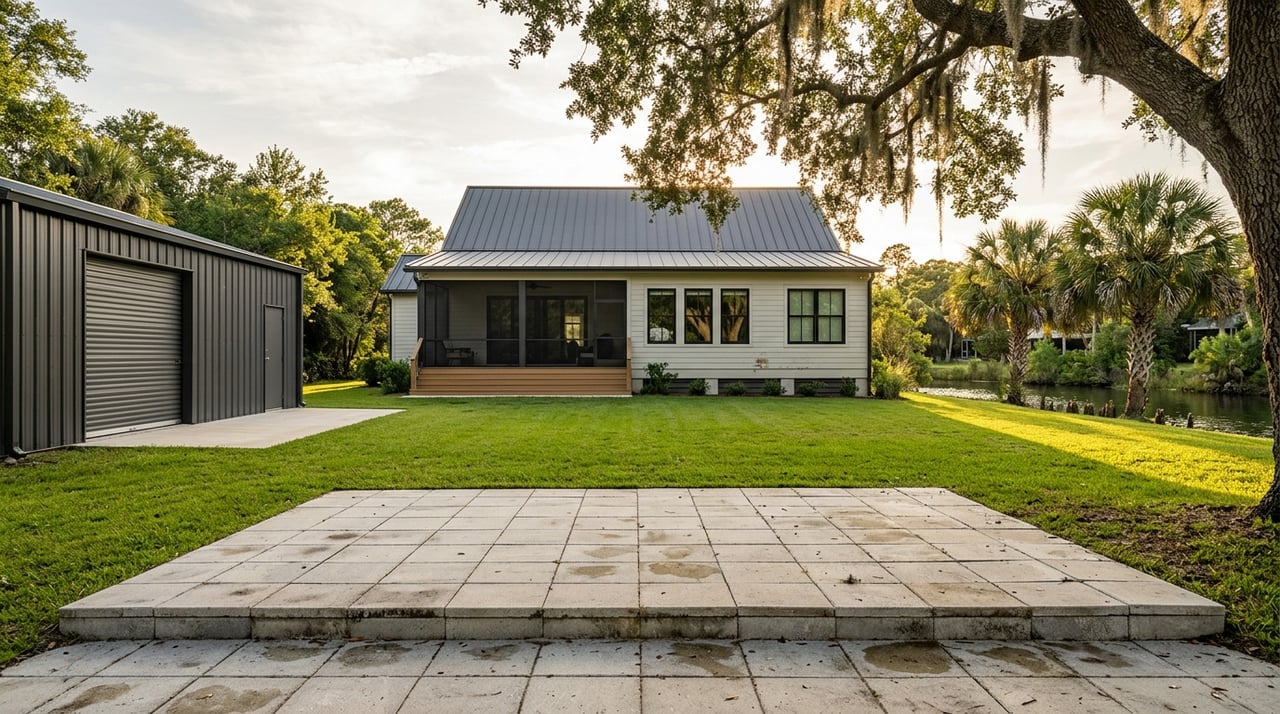
A lakefront address can sound simple, but waterfront value often depends on more than the house itself. In Hernando, your experience may also depend on canal conditions, dock setup, shoreline stability, flood-zone rules, and whether existing improvements were properly permitted.
If a dock, lift, seawall, or boathouse is part of the appeal, treat it like a major feature that needs documentation. County permit-review examples show that dock and boathouse work can require site plan approval and all required permits before construction.
Waterfront questions worth asking
When you tour a lakefront or canal-front home, ask:
- Is the dock, lift, seawall, or boathouse existing and permitted?
- Is it in usable condition today?
- Is the property in a special flood hazard area?
- Is an elevation certificate available?
- If you want to expand or replace waterfront improvements, what permits may be required?
- Are current site plans consistent with what is actually on the property?
These questions are especially important if you picture adding a boat lift, updating a dock, or changing shoreline improvements after closing.
Review floodplain details parcel by parcel
Floodplain issues are not something to generalize in Hernando. Citrus County manages flood zone data, and FEMA is the official source for flood hazard maps and related products, so the right approach is to check each parcel directly.
This can affect both the cost of ownership and what you can build or improve later. For example, county floodplain regulations allow some non-elevated accessory structures below required elevation in certain cases when they are used only for parking or storage, and size limits can apply in special flood hazard areas.
That may matter more than you think if you want a garage, carport, utility building, or storage area near the water. A property that looks ideal on day one may have practical limits that shape your future plans.
Acreage buyers need a future-use plan
Acreage is appealing because it gives you flexibility, but that flexibility still has rules. In Citrus County, permit-review examples show that accessory structures cannot be added to vacant property before a principal use is established, and those structures cannot be used as separate dwelling units or commercial space.
So if you are picturing a workshop, large shed, RV storage building, or boat storage setup, your first step is not just measuring the lot. You need to confirm zoning, future land use, and whether your intended use works with county requirements.
Ask these acreage questions first
If you are buying for space and optionality, focus on these basics:
- What are the current zoning and future land use designations?
- Is there legal road access?
- Who maintains the bordering street?
- Is a driveway apron permit required?
- Are there setbacks, easements, or flood-zone limits that affect building placement?
- Is the parcel served by public utilities, or will you need well and septic?
This is where local guidance can save you time. Two acreage parcels may look similar online, but one may fit your plan much better once access, utilities, and buildability are reviewed.
Road access can change the deal
Access is easy to overlook when a property has beautiful trees, water views, or lots of elbow room. But the county’s parcel tools and permit examples show that road frontage, maintenance responsibility, and driveway compliance can directly affect whether improvements move forward smoothly.
If county-road access triggers a driveway apron permit, a noncompliant driveway can delay approval. That is why access should be treated as part of due diligence, not an afterthought once you are ready to build or renovate.
A simple Hernando buying checklist
If you want a practical way to evaluate lakefront or acreage property in Hernando, start here:
- Confirm the exact parcel location and property summary.
- Review zoning and future land use.
- Verify water and sewer service, or confirm well and septic details.
- Check flood zone information and ask about elevation requirements.
- Review permits for docks, boathouses, lifts, sheds, garages, and other improvements.
- Confirm legal access, road maintenance responsibility, and driveway requirements.
- Ask how your intended use fits the parcel’s rules before you close.
This kind of step-by-step review helps you avoid buying a property for one vision only to learn later that key parts of the plan do not work.
Why local guidance matters in Hernando
Hernando can be a great place to buy if you want the water, the space, or both. It is also a market where broad assumptions can get buyers in trouble because lake systems, utilities, floodplain issues, and land-use rules often vary from one parcel to the next.
That is where working with a brokerage that knows Citrus County day to day can make the process smoother. With deep local roots, waterfront experience, and hands-on guidance across residential, waterfront, and vacant land purchases, Trotter Realty can help you ask the right questions and move forward with clarity. Schedule a consultation.
FAQs
What makes Hernando, Citrus County different from Hernando County when buying property?
- Hernando in this context is the Hernando census-designated place in Citrus County, Florida, so property research, zoning, utilities, and floodplain review should be based on Citrus County sources.
What should you verify before buying waterfront property in Hernando?
- You should verify flood zone details, elevation information, the condition and permit status of any dock or boathouse, and how the property connects to the managed Tsala Apopka lake system.
What utility issues matter most for acreage property in Hernando?
- You should confirm whether the parcel uses public water and sewer or well and septic, and then review permits, testing history, and whether there is space for future septic needs.
Can you build a workshop or storage building first on vacant acreage in Hernando?
- County permit-review examples indicate accessory structures cannot be added to vacant property before a principal use is established, and they cannot be used as separate dwelling units or commercial space.
Why is parcel-level research important when buying property in Hernando?
- Nearby Hernando parcels can differ significantly in zoning, utilities, flood exposure, setbacks, access, and allowed uses, so parcel-by-parcel verification is essential.
What road-access questions should you ask when buying acreage in Hernando?
- You should ask whether the parcel has legal access, who maintains the bordering road, and whether a driveway apron permit or other access-related approval is required.