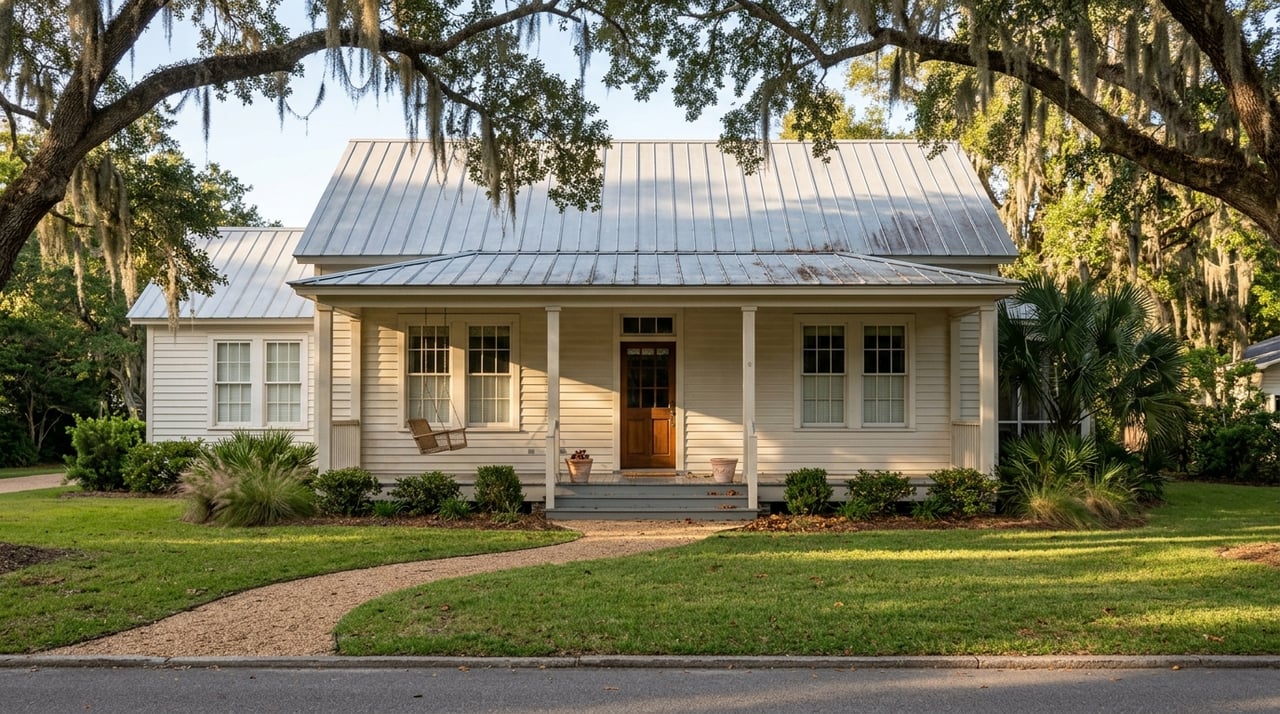
If you are looking for a quieter side of Citrus County, Floral City may stand out right away. It offers a slower pace, a strong sense of history, and more elbow room than many buyers expect to find in Florida. Whether you are thinking about relocating, buying a second home, or simply exploring the area, this guide will help you understand what everyday life in Floral City really looks like. Let’s dive in.
What Floral City Feels Like
Floral City is a small community in Citrus County with 5,261 residents spread across 23.31 square miles. That works out to about 225.7 people per square mile, which gives the area a low-density, open feel compared with more built-up parts of Florida.
The community also appears to be well established and stable. Census data shows 87.6% of residents lived in the same house one year earlier, and the average household size is 2.33 people. If you value a settled, lived-in community rather than a fast-changing growth corridor, Floral City may feel like a good fit.
Another defining trait is age mix. About 39.4% of residents are 65 or older, while 13.2% are under 18. That helps shape the area’s quieter rhythm and day-to-day lifestyle.
Floral City’s Historic Character
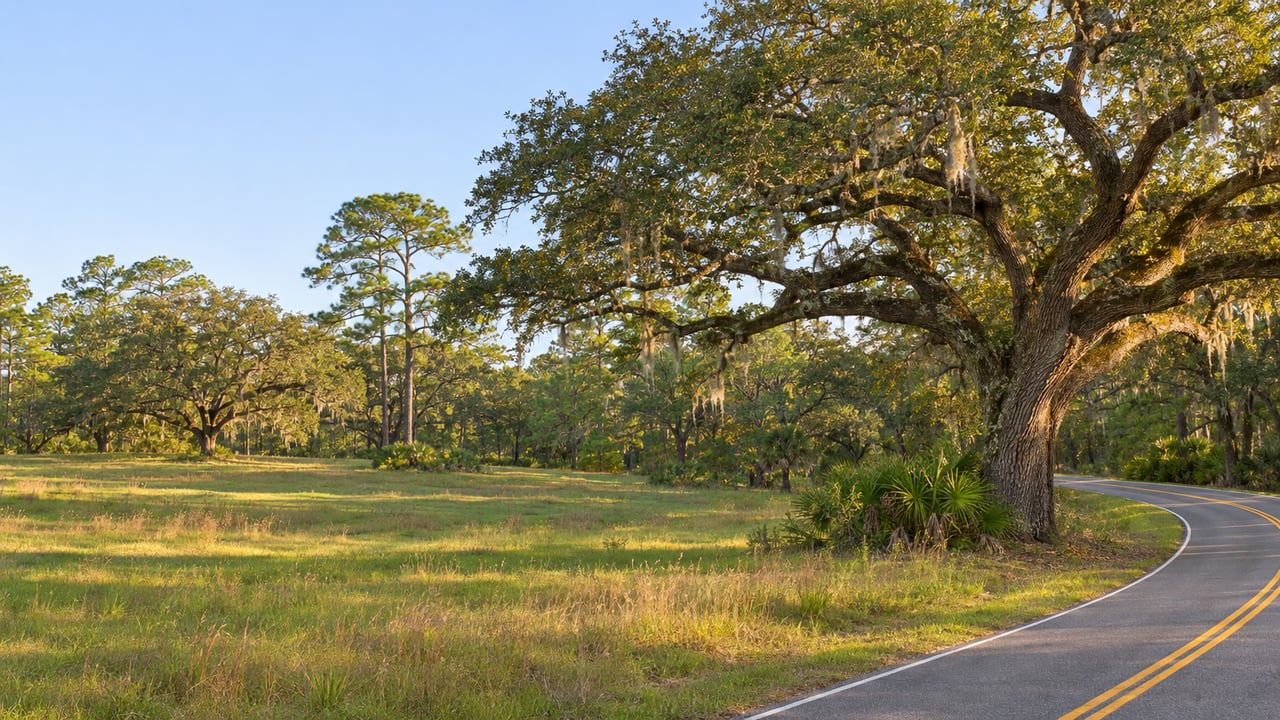
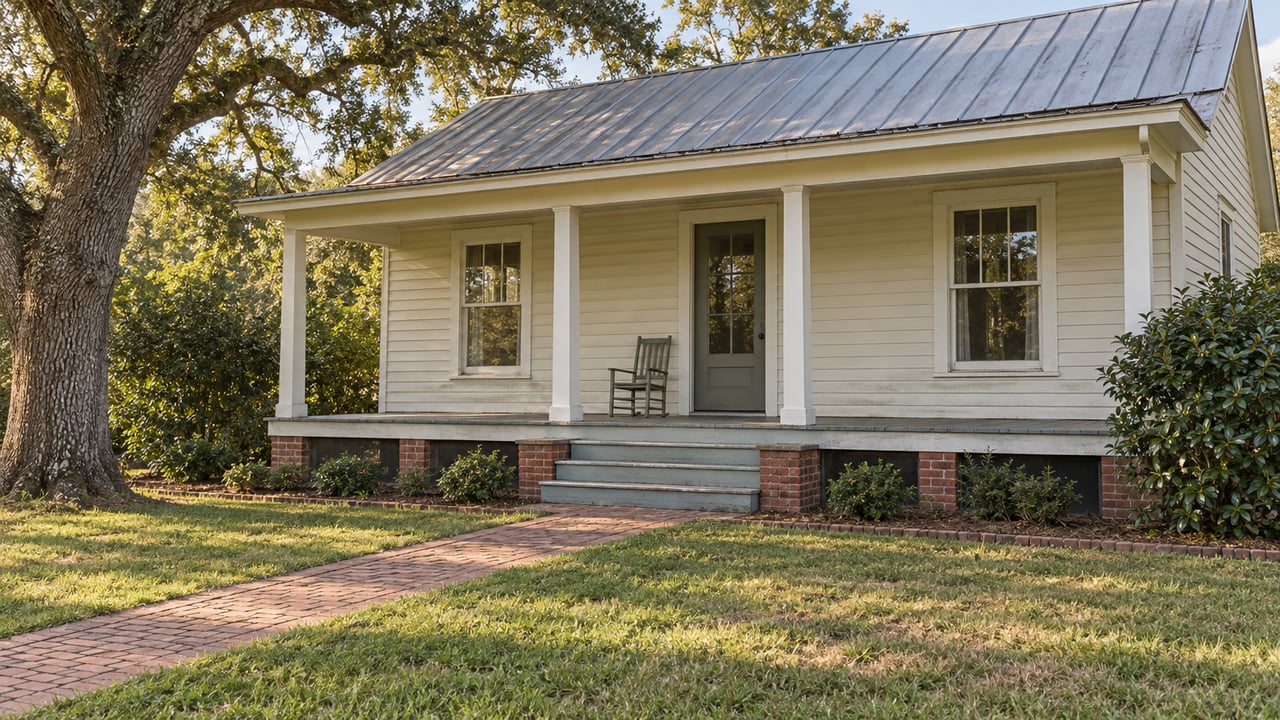
One of the first things many people notice about Floral City is its historic setting. National Register documentation describes it as one of the oldest communities in Citrus County, centered around oak-canopied Orange Avenue and Aroostook Avenue.
That historic character is not just about architecture. Aroostook Avenue connects to the original steamboat landing on the lake shore, which ties the town’s current layout to its earlier history. The result is a place where the street pattern and natural setting still reflect its roots.
Local preservation remains active today. The Floral City Heritage Council operates the Heritage Museum & Country Store and sponsors Heritage Days along with other history-focused programs. For you as a resident or buyer, that can translate into a community identity that values continuity, local stories, and an "Old Florida" atmosphere.
Housing Options in Floral City
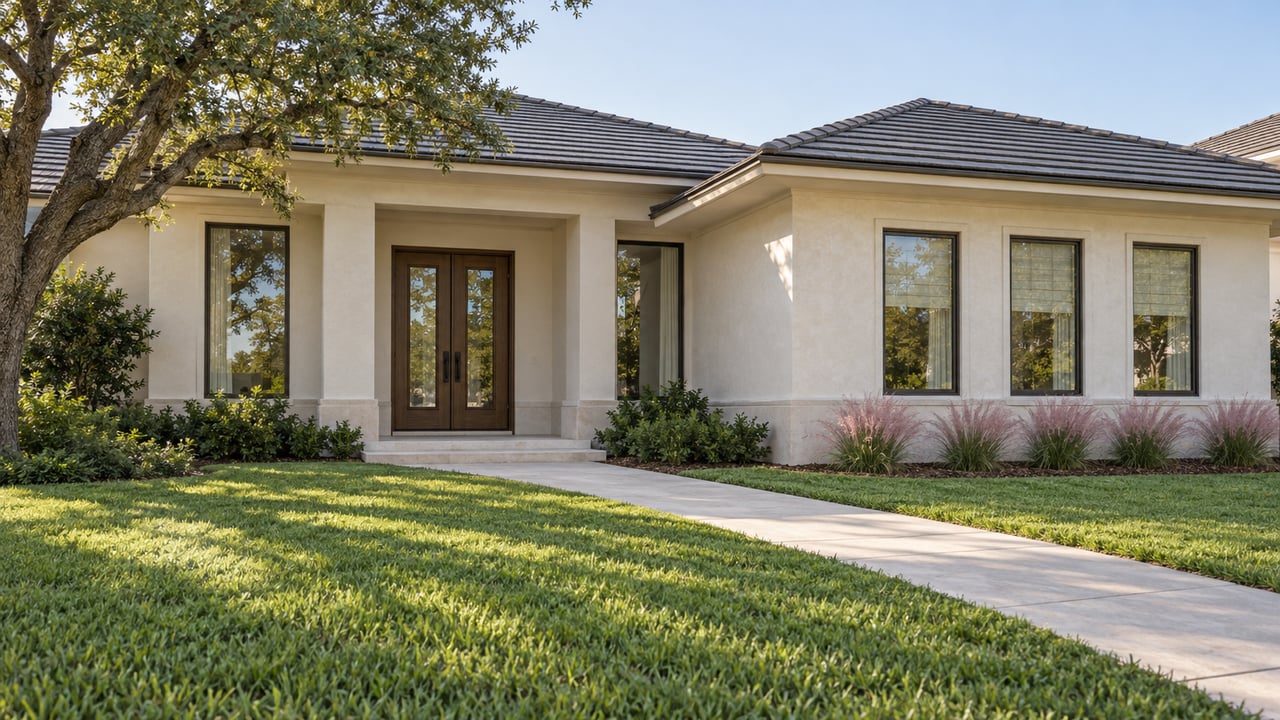
Floral City is not a one-style market. The housing mix includes conventional single-family homes, manufactured homes, limited multi-family housing, and vacant parcels that may appeal to buyers who want room to build or invest.
A local community profile shows 2,402 housing units in total. That includes 1,360 single-family units, 1,002 mobile home units, and 39 multi-family units. This variety means your search may include everything from a modest home on a larger lot to a manufactured home with outdoor storage or acreage potential.
The area is heavily owner-occupied. Census data shows 91.9% of housing units are owner-occupied, which is higher than both Citrus County and Florida overall. That often points to a community where many residents have put down long-term roots.
Home values are also worth noting. The median owner-occupied home value is $232,000, which is below the county median of $245,500 and well below the statewide median of $359,000. While every property is unique, that data suggests Floral City may offer an entry point into Florida homeownership that feels more attainable than some other markets.
Land, Space, and Rural Appeal
If you want space, Floral City has a lot to offer. Land use data shows the area is 49.31% agricultural and 28.26% residential, with another 5.80% classified as vacant residential.
In practical terms, that means you are more likely to find open land, larger lots, and a less suburban setting. Buyers looking for acreage, room for outbuildings, or a future homesite often pay close attention to places like Floral City because the landscape still leaves room for flexibility.
This setting also shapes the feel of daily life. Instead of a dense retail core or tightly packed subdivisions, Floral City tends to offer a more spread-out environment where privacy and land use matter as much as square footage.
Waterfront in Floral City
When people hear “Florida waterfront,” they often picture the coast. Floral City is different.
Waterfront here is inland and tied to the Tsala Apopka Chain of Lakes. According to the Florida Fish and Wildlife Conservation Commission, the chain covers 19,111 acres and includes shallow, heavily vegetated marshes mixed with open water pools, divided into Floral City, Inverness, and Hernando pools by water control structures.
For you as a buyer, that means Floral City waterfront is better understood as lake-chain living rather than open-ocean or Gulf-access living. If your ideal day involves inland boating, fishing, wildlife viewing, or simply enjoying a water view in a quieter setting, that distinction matters.
It also helps set expectations during your home search. Not all waterfront functions the same way, and in Floral City, the appeal is tied to freshwater character, natural scenery, and a more laid-back outdoor experience.
Outdoor Recreation and Daily Amenities
One of Floral City’s biggest lifestyle advantages is access to outdoor recreation. The Withlacoochee State Trail runs 47 miles and has no fee required. It supports cycling, walking, running, skating, birding, wildlife viewing, and horseback riding on parallel unpaved sections.
For many residents, that trail is not just a weekend feature. It can be part of everyday life, whether you want a morning walk, a long bike ride, or easy access to nature without leaving the area.
Floral City also has a compact set of everyday services. The community profile lists the Floral City Public Library, U.S. Post Office, Citrus County Fire Department Station 24, Nature Coast EMS Station 5, Duval Island Boat Ramp, Floral Park, and several churches and community centers.
This is important because Floral City is not built around big commercial convenience. You can find core services in town, but the overall pattern is more small-community and practical than retail-heavy.
Schools and Practical Considerations
Floral City Elementary is located in town at 8457 E Marvin St and is identified by the district as a Title I school. If schools are part of your home search, this gives you a starting point for understanding what is located directly within the community.
Commute patterns also help explain how people use Floral City day to day. The mean travel time to work is 32.3 minutes, which suggests many residents travel outside the immediate area for work, errands, or additional services.
That can be a plus or a drawback depending on your goals. If you want a quieter home base and do not mind driving for some destinations, Floral City may make sense. If you want dense shopping and services right around the corner, you may want to weigh that carefully.
Cost, Stability, and Market Position
Floral City sits in an interesting middle ground within the local market. Median household income is $62,025, which is above Citrus County’s $56,546 but below Florida’s $74,568.
Combined with the high owner-occupancy rate and moderate median home value, that paints a picture of a community that is relatively stable and largely residential. It does not read like a high-turnover vacation market or a dense suburban growth area.
For buyers, that can mean a more grounded market with a mix of practical housing types. For sellers, it can mean your likely audience may be looking for value, space, and long-term livability rather than a flashy short-term trend.
Who Floral City May Fit Best
Floral City can appeal to several types of buyers, especially if your priorities are space, simplicity, and a quieter setting. It may be worth a closer look if you are searching for:
- A home in a low-density Citrus County community
- A property with acreage or a larger lot
- An inland waterfront home on a lake chain
- A manufactured home or mixed housing option
- A historic setting with local character
- A place with outdoor access and less commercial intensity
At the same time, Floral City may be less ideal if you want a busier retail hub or a coastal boating lifestyle. Understanding that difference early can help you focus your search on the right part of Citrus County.
Why Local Guidance Matters in Floral City
Floral City has a distinct identity within Citrus County. The mix of older homes, manufactured housing, vacant land, agricultural surroundings, and inland waterfront means two properties on the same road can offer very different value and use.
That is where local market knowledge becomes especially important. When you are comparing lot types, waterfront characteristics, historic areas, or future land possibilities, practical local insight can help you make a more confident decision.
If Floral City is on your radar, working with a brokerage that understands Citrus County’s day-to-day market can make the process smoother. To explore homes, land, or waterfront opportunities in the area, schedule a consultation with Trotter Realty.
FAQs
What is Floral City, Florida like for everyday living?
- Floral City offers a quieter, low-density lifestyle with historic streets, a strong owner-occupied housing base, outdoor recreation, and a more rural feel than many Florida communities.
What kinds of homes can you find in Floral City?
- Floral City has a varied housing mix that includes single-family homes, manufactured homes, limited multi-family properties, and vacant land that may appeal to buyers looking for space or future build options.
Is Floral City waterfront on the coast?
- No. Floral City waterfront is inland and tied to the Tsala Apopka Chain of Lakes, so the lifestyle is centered more on lake-chain living than coastal or open-ocean access.
Are there local amenities in Floral City?
- Yes. Floral City has practical local services such as a library, post office, emergency service stations, a boat ramp, Floral Park, and community gathering spaces, though the area is not a major retail center.
Is Floral City a good place to look for acreage?
- Floral City may appeal to acreage buyers because local land use is heavily agricultural and residential, with a landscape that supports a more open, space-oriented setting.
How far do Floral City residents typically commute?
- Census data shows a mean travel time to work of 32.3 minutes, which suggests many residents commute outside the immediate community for work, errands, or services.