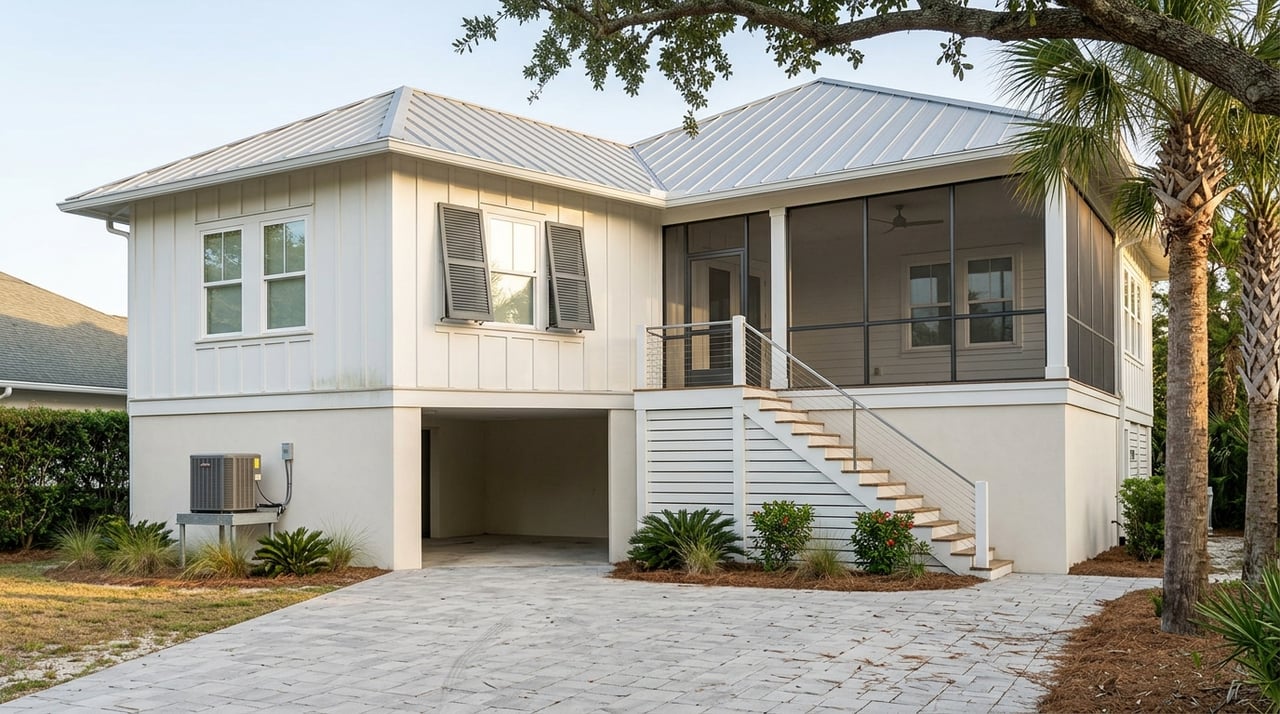
Dreaming about a place where your weekends feel slower, the water is part of daily life, and nature is the main attraction? If you are thinking about buying a second home in Homosassa, you are probably looking for more than just another property. You want a place that fits how you plan to live, relax, and manage ownership from a distance. This guide will help you weigh the lifestyle, costs, and practical details so you can decide if Homosassa is the right fit for you. Let’s dive in.
Why Homosassa Appeals to Second-Home Buyers
Homosassa offers a very different feel from a dense resort market. It is a small community with 1,942 residents, 1,067 households, a median age of 65.3, and a 90.5% owner-occupied rate, according to Census Reporter’s community profile. That points to a quieter, more residential setting that often appeals to buyers looking for a low-key seasonal base.
If your idea of a second home includes nightlife, high-rise condos, and a busy tourism corridor, Homosassa may not check those boxes. But if you want an Old Florida setting shaped by water, wildlife, and a more relaxed pace, it can be a strong match.
Nature-First Lifestyle in Homosassa
One of Homosassa’s biggest draws is its connection to the springs and river. Florida State Parks explains that the Homosassa spring complex discharges 65 million gallons of water daily, spans a 270-square-mile springshed across Citrus and Hernando counties, and feeds the Homosassa River for 8 miles before reaching the Gulf.
That natural system is not just scenic. It shapes the everyday lifestyle here. Manatees, birding, river access, and accessible boardwalks all support a place that feels centered on outdoor time rather than commercial entertainment.
For many second-home buyers, that is the point. Homosassa tends to suit people who want a peaceful home base for boating, fishing, kayaking, wildlife watching, or simply unplugging for part of the year.
What Housing Options Look Like
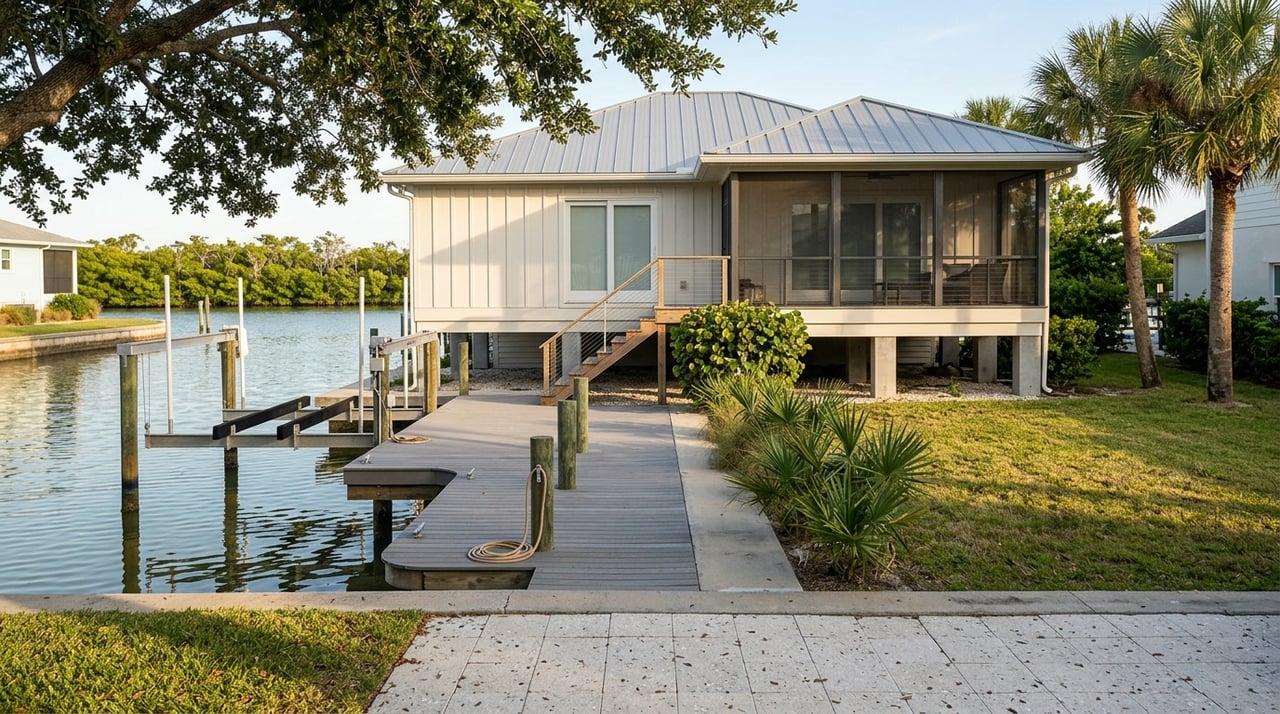
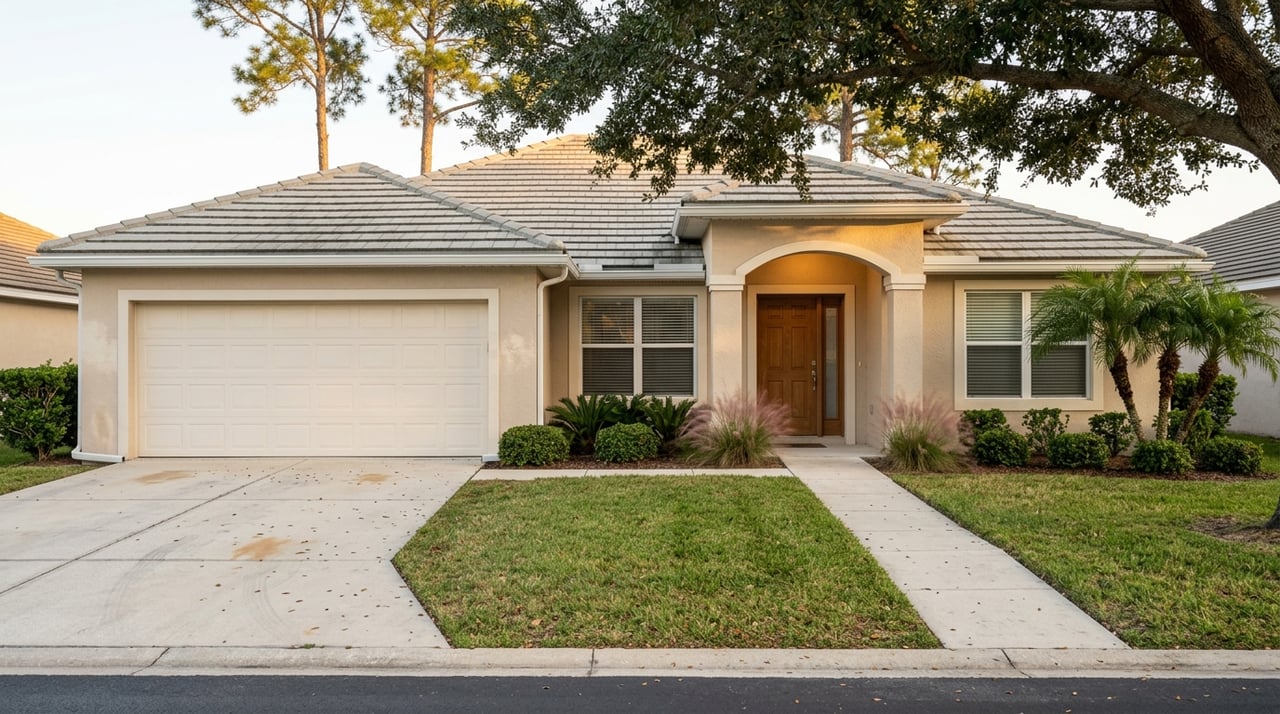
If you are starting your search, it helps to know that Homosassa is not a condo-heavy market. An ACS-based profile from Point2Homes reports that the local housing mix is 75.2% detached single-family homes, 18.9% mobile homes, and just 1.7% attached units, with a median construction year of 1988.
That matters because many second-home buyers want something easy to lock and leave. In Homosassa, you may need to search more carefully for properties that offer lower-maintenance ownership, whether that means newer construction, a smaller lot, or an HOA-managed setting.
Older housing stock can also be a plus if you love character or want to be closer to the water. Still, it makes inspections and system reviews especially important. Roof age, HVAC condition, plumbing updates, and exterior wear should all be part of your buying conversation.
Budget Expectations Can Shift Quickly
A second-home budget in Homosassa can vary more than some buyers expect. Census Reporter lists the median value of owner-occupied housing in Homosassa at $330,800, compared with $280,900 for Citrus County overall.
That does not mean every home in Homosassa is priced above the county as a whole. It does mean that location, age, lot type, and proximity to water can change the numbers in a meaningful way.
For example, two homes in the same general area can have very different ownership costs based on condition, access, elevation, and maintenance needs. When you are buying a second home, those details matter just as much as the purchase price.
Taxes Matter More on a Second Home
One of the biggest budgeting mistakes second-home buyers make is assuming the tax picture will look like a primary residence. In Citrus County, homestead exemption eligibility requires that the home be your permanent Florida residence and occupied as of January 1. The county also explains that the Save Our Homes assessment cap applies only to homesteaded properties.
In simple terms, a second home usually does not get the same residency-based tax treatment as a primary home. That can make the property more expensive to carry over time.
Before you buy, it is smart to estimate not only your mortgage and insurance, but also your likely non-homesteaded tax exposure. That way, you are planning for the real cost of ownership, not the best-case version.
Should You Rent It Part-Time?
Some buyers hope a second home will offset costs with occasional rental income. That can work in some cases, but the math needs to be realistic.
If a property is rented for stays of six months or less, Florida’s Department of Revenue says local transient rental taxes may apply in addition to the state tax. The Citrus County rate table shows a 5.0% local option transient rental tax, and Florida’s general state sales tax is 6%.
That means a qualifying short-term rental in Citrus County can face an 11% combined tax burden before you even factor in cleaning, utilities, vacancy, platform fees, HOA costs, or professional management. For some owners, that still makes sense. For others, the income looks far different once the full carrying and operating costs are added in.
If rental income is part of your plan, ask practical questions early:
- Are short-term rentals allowed by the HOA or deed restrictions?
- Are there property-specific limits on rental use?
- Will the expected income still work after taxes and management costs?
- Who will handle turnovers, maintenance calls, and guest issues when you are away?
Seasonal Ownership Takes Planning
Owning a second home in Homosassa is not just about buying the right house. It is also about creating a plan for the months when you are not there.
The local weather pattern matters. The National Weather Service says West Central Florida’s rainy season typically runs from May 25 to October 10. NOAA’s hurricane season guidance is echoed in seasonal planning across Florida, with the Atlantic hurricane season running from June 1 to November 30.
For a part-time owner, that means your home may sit vacant during the stretch of the year when heavy rain, tropical systems, and power outages are more likely. A lock-and-leave plan should include more than just turning off the lights and heading home.
A practical seasonal-use checklist often includes:
- Lawn and landscape care
- Pest control service
- Post-storm property checks
- Roof and exterior monitoring
- HVAC servicing
- Plumbing leak monitoring
- A local contact for urgent issues
Flood Risk Is a Parcel-by-Parcel Question
In a water-oriented market like Homosassa, flood risk should never be treated as a guess. FEMA’s Flood Map Service Center is the official public source for flood hazard information, and FEMA recommends checking the exact address or coordinates rather than making assumptions.
This is especially important because many buyers are drawn to Homosassa for the same features that make due diligence more important. River access, canals, and proximity to the springs system can all affect risk, insurance needs, and long-term ownership costs.
FEMA also notes that most homeowners insurance does not cover flood damage. If a property needs flood insurance, that should be evaluated separately as part of your budget and offer strategy.
Water Features Are Part of Ownership Too
The same natural setting that makes Homosassa special also affects how you should think about maintenance. Florida State Parks notes that activities across the Homosassa springshed can affect the quality and quantity of water leaving the springs.
For you as a second-home owner, that makes property care more than a cosmetic issue. Drainage, irrigation, and septic or sewer upkeep can all be part of responsible ownership, especially if the home will be vacant for long stretches.
That does not mean every property comes with the same level of concern. It does mean that local context matters, and homes should be evaluated based on their lot, systems, and relationship to the surrounding environment.
How to Decide If Homosassa Fits You
The right second-home market is not just about price or scenery. It is about fit.
Homosassa may be right for you if you want:
- A quieter, residential setting instead of a resort-style district
- Easy access to water, wildlife, and outdoor recreation
- A place that feels relaxed and low-key
- A single-family home or other detached property type
- An Old Florida lifestyle with practical ownership planning
It may be a harder fit if you want:
- A large supply of condos or attached homes
- A highly walkable entertainment district
- Minimal weather and maintenance planning
- Ownership costs based on primary-residence tax assumptions
Smart Questions to Ask Before You Buy
Before you move forward, try to answer these questions clearly:
- Is the specific property in a FEMA flood zone?
- How old are the roof, HVAC, plumbing, and exterior systems?
- Will you use the home only seasonally, or rent it part-time?
- If rented, do the numbers still work after the 11% transient rental tax burden and operating costs?
- Who will handle lawn care, pest control, and storm checks while you are away?
- Are there HOA rules or deed restrictions that affect rentals or maintenance responsibilities?
The more clearly you answer those questions, the easier it becomes to choose a property that supports your goals instead of creating surprises later.
If you are considering a second home in Homosassa, local guidance can make a big difference. From flood-zone checks to understanding how lifestyle, property type, and carrying costs come together, working with a team that knows the day-to-day realities of the market helps you buy with more confidence. When you are ready to explore your options, Trotter Realty is here to help you take the next step.
FAQs
Is Homosassa a good place for a second home?
- Homosassa can be a good fit if you want a quiet, residential setting with strong access to water, wildlife, and outdoor recreation rather than a busy resort environment.
What types of second homes are common in Homosassa?
- Detached single-family homes are the most common housing type in Homosassa, while attached homes make up a much smaller share of the local housing stock.
Do second homes in Homosassa qualify for homestead exemption?
- In most cases, no. Citrus County says homestead exemption requires the property to be your permanent Florida residence and occupied as of January 1.
Can you rent out a second home in Homosassa?
- Possibly, but you should verify HOA rules, deed restrictions, and any property-specific limitations, then review whether rental income still makes sense after taxes and operating costs.
What taxes apply to short-term rentals in Citrus County?
- For qualifying stays of six months or less, Citrus County’s 5.0% local transient rental tax can apply in addition to Florida’s 6% state sales tax, creating an 11% combined tax burden.
How do you check flood risk for a Homosassa property?
- You can check the exact address or coordinates through FEMA’s official Flood Map Service Center to review flood hazard information for the specific parcel.
What should second-home buyers in Homosassa inspect carefully?
- Buyers should look closely at flood risk, roof age, HVAC, plumbing, exterior condition, and the practical maintenance plan for the time the home will be vacant.