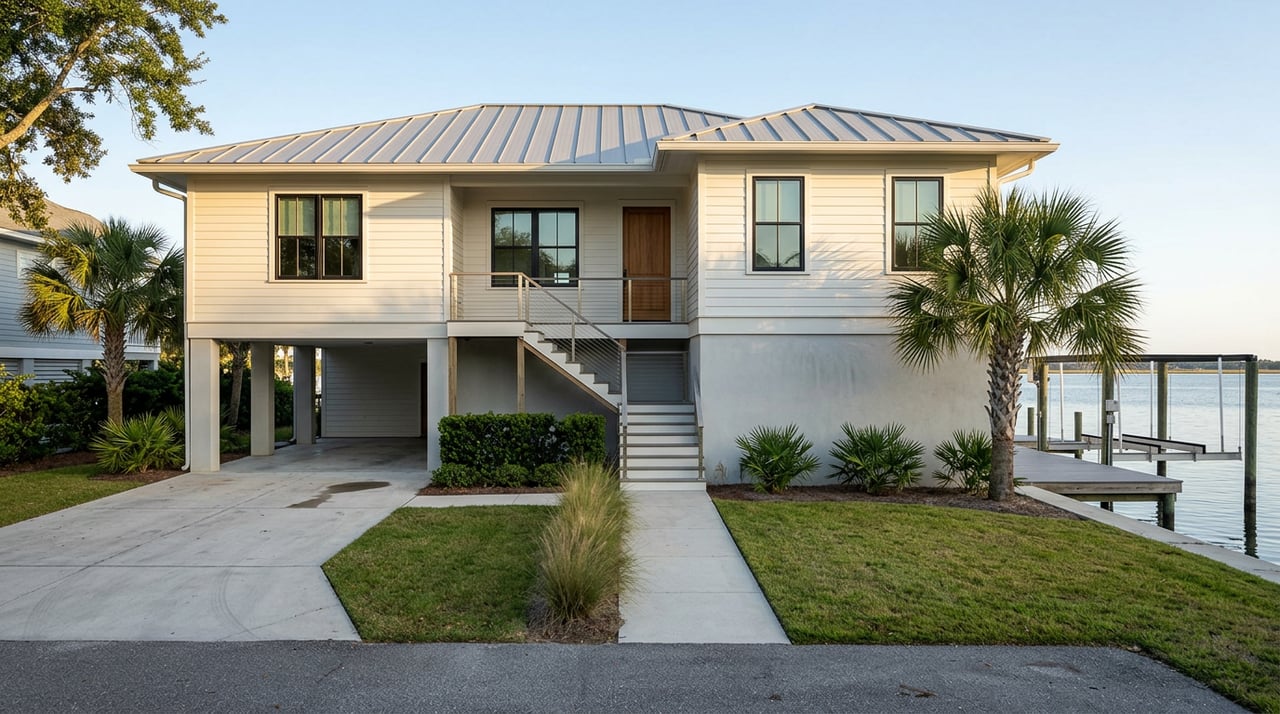
Coffee on the back deck. A gentle current on the canal. Maybe a manatee surfaces as you idle toward the main river. If you have dreamed of a life where days start and end on the water, Homosassa makes it feel easy. In this guide, you will see what everyday waterfront living looks like here, from quick boat launches and scalloping runs to safety rules, dining by boat, and practical buyer tips. Let’s dive in.
What everyday looks like in Homosassa
You sit on the Homosassa River system, with the Halls River and Homosassa River flowing toward Homosassa Bay and the Gulf. The channels offer relatively direct navigation, and local charts show why residents love the quick runs to flats and open water described in the Coast Pilot. Many locals make short morning or late-afternoon trips to fish inshore species, paddle a kayak, or take visiting family to see wildlife near the springs. Summer adds scalloping days to shallow seagrass beds, which is a beloved Nature Coast ritual for all ages highlighted by local marina guides.
Easy water access, any day of the week
Public boat ramps to know
You have solid choices for quick launches around Homosassa:
- Homosassa public ramp at the end of Cherokee Way. This is a go-to for river outings and a common start point for scalloping trips. Expect on-site trailer parking. Fees or permits may apply, so check posted rules before you go. You can see this ramp listed in the Citrus County scalloping access guide from Florida Sea Grant here.
- Mason Creek Boat Ramp. Best for small boats and skiffs. Channels can be shallow at lower tides, so plan around water levels and local knowledge. It is also included in the same Sea Grant resource with local notes.
Parking, launch fees, and trailer rules can change by season. Arrive early on busy weekends and always read posted notices at the ramp.
On-demand boats, storage, and service
If you want a boat day without the fuss, you can rent a pontoon and be out quickly. Homosassa Springs Marina offers rentals, dry-stack storage, fuel, and on-site service, which makes spontaneous trips simple. Larger riverfront resorts and marinas nearby often have slips, transient dockage, and help for scalloping season. Call ahead to confirm policies and availability.
Fishing and scalloping close to home
Inshore species you can target
On a normal morning, you can run to nearby flats and creek mouths for redfish, spotted seatrout, snook, and, in season, tarpon. Winter brings sheepshead around structure, and you will find mangrove snapper and other nearshore options when conditions allow. If you are new to the area, a guided inshore trip can shorten the learning curve and help you fish with the tides and wind in mind as local marina teams note.
Scalloping 101 in the Homosassa zone
Bay scalloping is a classic summer day. You snorkel over shallow seagrass with a mask, fins, and a mesh bag, then head back with a small haul for dinner. The Florida Fish and Wildlife Conservation Commission sets dates, bag limits, vessel limits, and license rules each year by zone. Before you plan, always check the current FWC season notice and regulations for the Levy, Citrus, and Hernando zone on the FWC scallop page.
Safety, manatees, and everyday etiquette
Manatees frequent local waters, and you will see posted zones that protect them near springs and sensitive areas. Expect slow or idle speed rules in marked sections and plan your route with those in mind. Local officials regularly remind boaters to watch for manatees and follow posted markers during busy seasons as covered in regional news.
When people are in the water, Florida law requires a divers-down warning device. Display a proper flag or buoy, and remember the distance rules. Boats must slow to idle speed within 300 feet of a divers-down device in open water, and within 100 feet in rivers and channels. You can review the full rules on the FWC boating regulations page for details.
Tides, wind, and shoaling change the equation in this part of the Gulf. Check local NOAA tide predictions before every outing, and time shallow runs for higher water when possible. You can find nearby stations for Halls River, Tuckers Island, and Kings Bay on the NOAA listings page here.
Boat-to-table dining and sunset stops
Part of the fun is pulling up for a casual bite by water. Seagrass Waterfront offers riverfront dining and a tiki deck, a favorite sunset stop with boaters as listed here. You can also find friendly docks or nearby slips at spots like Crump’s Landing on the Halls River, MacRae’s and The Shed. Policies change, so call ahead to confirm docking rules.
Neighborhoods that support this lifestyle
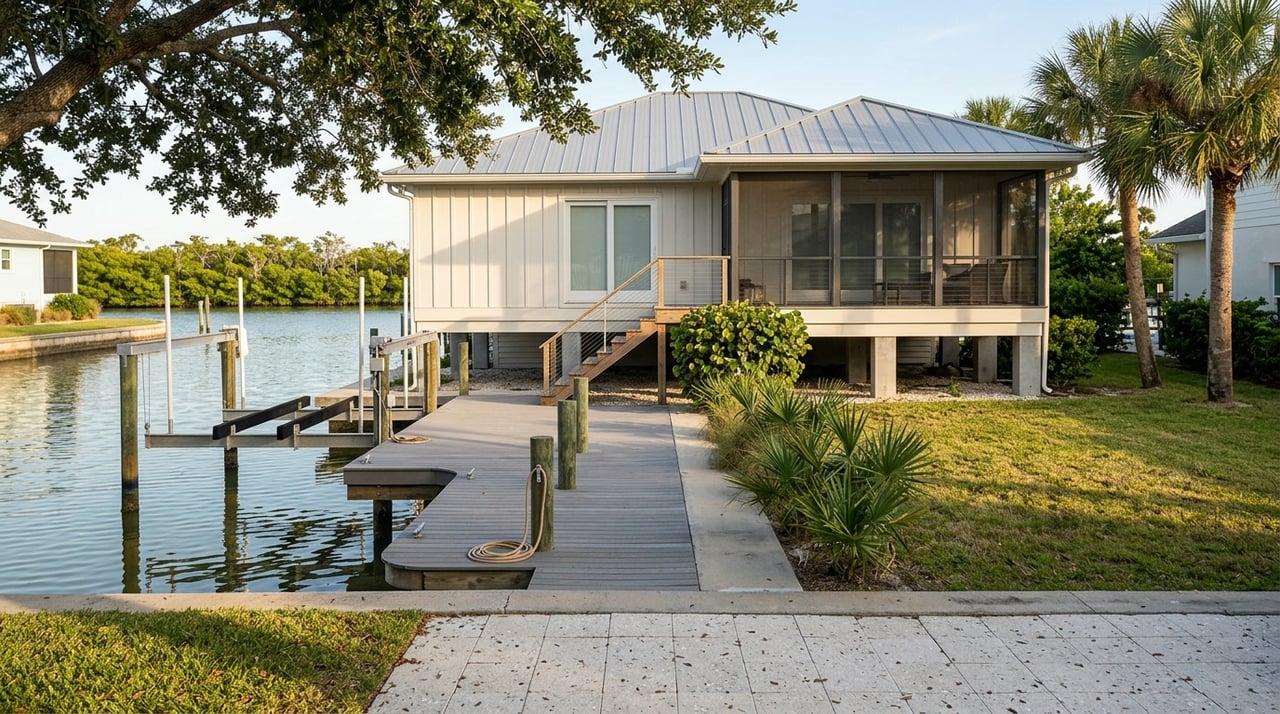
Canal communities like Riverhaven Village show why people choose Homosassa for daily water time. Many homes feature private docks, and the area is known for a low-key, golf-cart-friendly culture. You are also close to US-19 for groceries, bait, fuel, and services, which keeps a boating life simple. Always confirm HOA rules and slip transfers when you evaluate a specific property.
Buyer essentials to plan for
- Tides and boat fit. Homosassa and nearby channels can run shallow. Skiffs and shallow-water boats are common here. For Gulf trips, many residents plan departures around tides.
- Flood risk and insurance. Waterfront homes often sit in mapped flood zones. If you use a federally backed loan in a Special Flood Hazard Area, your lender will typically require flood insurance. Review FEMA guidance early and consider ordering an elevation certificate or a flood quote during due diligence using FEMA’s resources.
- Licenses and seasons. For most saltwater fishing and scalloping, you will need a Florida saltwater fishing license unless exempt. Season dates and limits for scallops are set each year by FWC, so check before you go on the FWC scallop page.
- Ramps, fees, and parking. Popular ramps fill up fast during scallop season. Some county ramps use fee or permit systems. Read the signs at the ramp and bring backup launch plans on busy weekends.
- Environmental stewardship. The Homosassa River and springs are part of active water-quality and restoration programs, including work on seagrass health that supports scallops and inshore fisheries. Understanding these efforts can help you plan around seasonal patterns and local rules outlined in a regional SWIM plan.
A simple day on the water
- Morning. Check NOAA tides, load the cooler, and idle out. Cast for a redfish along a shoreline, or paddle a quiet creek for an hour.
- Midday. Pick up ice and fuel at a local marina. If it is scallop season, head to a shallow grass flat, fly the divers-down flag, and gather a few for dinner.
- Sunset. Tie up for a tiki-deck meal or cruise back to the dock for a grill night and a slow river glow.
If you are ready to make this lifestyle part of your every day, you deserve local guidance that blends waterfront know-how with a calm, proven process. Connect with Trotter Realty to talk through neighborhoods, access, flood and insurance planning, and a step-by-step path to your Homosassa home.
FAQs
When is scallop season in Homosassa and how do I prepare?
- FWC sets dates, bag limits, and license rules each year for the Levy, Citrus, and Hernando zone, so check the current regulations, bring mask, snorkel, fins, and a mesh bag, and display a divers-down device when anyone is in the water per FWC.
Will manatee protection zones limit my weekend boating in Homosassa?
- You will see slow or idle zones near springs and posted manatee areas, which may change your speed and route, so follow the markers and plan ahead with local advisories and common-sense wildlife awareness as regional reminders note.
What safety rules should I know before snorkeling or scalloping?
- You must use a divers-down flag or buoy, and boats must slow to idle within 300 feet in open water and 100 feet in rivers and channels, with more details available on the FWC boating regulations page here.
How do tides and shoaling affect everyday boating in Homosassa?
- Depths shift with wind and weather, so check local NOAA tide predictions each morning and time shallow runs for higher water, using nearby stations listed by NOAA for planning.
Do I need flood insurance for a Homosassa waterfront home?
- Many waterfront properties fall in mapped flood zones, and federally backed mortgages in Special Flood Hazard Areas usually require flood insurance, so review FEMA guidance early and consider an elevation certificate or quote during due diligence via FEMA.